
UK Nationwide & Europe Licensed Dog Transport
Telephone: +44 (0)20 3951 3030
Scotland The Highlands & Ayrshire Coast
Scotland offers a sense of space that’s hard to find elsewhere, and nowhere is that more apparent than in the Highlands and along the Ayrshire Coast. Situated in the northern part of the UK, the Highlands stretch across much of northern Scotland, while Ayrshire lies on the west coast, facing the Firth of Clyde. Together, they create a varied and rewarding destination for dog walking holidays, combining mountains, moorland, forests, beaches and long coastal paths.
What makes this part of Scotland special is how quickly the scenery changes. One day you can be walking beside a quiet loch or through open Glenland, and the next you might be following a windswept beach with views out to sea.
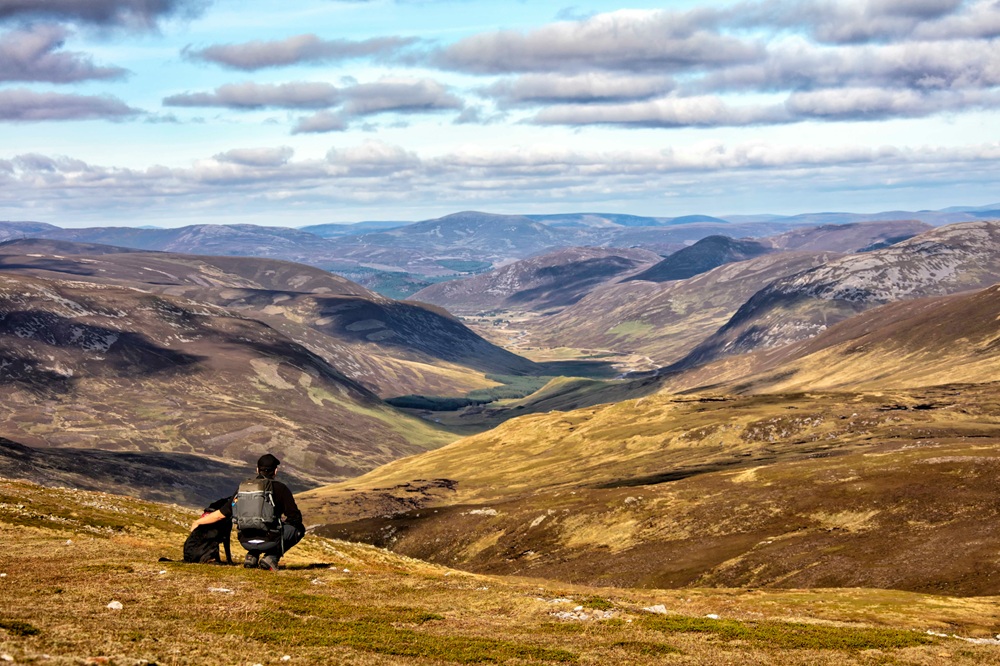
A Landscape Defined by Scale and Variety
The terrain of the Scottish Highlands is dramatic and expansive. Here you’ll find mountain ranges, wide valleys, open moorland and freshwater lochs, often with very little development. Paths feel spacious and unrushed, giving dogs plenty of opportunity to explore at a natural pace.
In contrast, the Ayrshire Coast offers long sandy beaches, rocky headlands and gentle coastal paths. The walking here tends to be flatter and more open, with wide horizons and the constant presence of the sea. This balance of highland terrain and coastal walking makes the region appealing for those who enjoy variety during a single trip.
Walking Routes That Feel Untouched
Many walks in the Highlands follow ancient routes through glens and along lochs, where the only sounds are wind, water and wildlife. Areas around Glen Coe are particularly well known for their striking scenery and well-established paths. The dramatic peaks and wide trails create memorable walks, with plenty of room for dogs to move comfortably while remaining under control.
Further north, routes around Loch Ness offer a gentler experience, with woodland paths and lochside tracks that are ideal for steady, scenic walks.
Coastal Walking Along Ayrshire’s Shoreline
The Ayrshire Coast is often quieter than other Scottish coastal regions, making it a pleasant place for long beach walks. Stretches of sand near Troon and Ayr are popular for walking, particularly outside the busiest summer periods.
Coastal paths here combine sea views with grassy trails and occasional woodland sections, creating relaxed routes where dogs can enjoy fresh air and open space without feeling overwhelmed.
Things to Do and Places to Visit With Your Dog
Scotland’s outdoor-focused culture makes it easy to include dogs in day-to-day activities. Many forest walks, riverside paths and coastal trails are open year-round, and it’s common to find dogs accompanying their owners in outdoor areas and village stops.
Exploring Cairngorms National Park (which overlaps parts of the Highlands) offers vast landscapes and well-marked trails, while smaller woodland areas provide quieter alternatives when weather conditions change.
On the Ayrshire side, harbour towns and coastal villages offer pleasant places to pause after a walk, with promenades and paths that follow the shoreline.
Dog Transport to Scotland from Europe and UK
Travelling to Scotland’s Highlands, lochs and glenland with your dog? We offer a door-to-door road transport service for dogs from Europe and the UK to locations throughout the Scottish Highlands and Ayrshire Coast.
History, Heritage and Inspiration
Scotland’s landscapes have inspired writers, poets and artists for centuries. Robert Burns, Scotland’s national poet, was born in Alloway near Ayr and drew much of his inspiration from the Ayrshire countryside. Walking these coastal paths and rural lanes, it’s easy to imagine how the scenery shaped his work.
The Highlands are also closely linked with figures such as Sir Walter Scott, whose writing helped shape the romantic image of Scotland known around the world.
World Heritage Sites Worth Knowing About
Scotland is home to several UNESCO World Heritage Sites, some of which lie within or close to the regions covered here. St Kilda, located off the west coast of the Highlands, is recognised for its dramatic natural landscape and historic settlement, symbolising Scotland’s deep connection between people and remote environments.
Nearby, New Lanark sits within reach of Ayrshire and represents an important part of Scotland’s social and industrial history. While dogs may not access every site directly, the surrounding landscapes and walking routes still make these areas rewarding to explore.
Company Number: 16854472
Registered Office:
20 Wenlock Road
London
N1 7GU
England
Telephone: +44 (0)20 3951 3030
Email: admin@ukeupettransport.com


UK EU Pet Transport LTD © 2026 All Rights Reserved